From Prototype to Production | Bioana

From Prototype to Production

The prototype works. After months of design iterations, bench testing, and refinement, your team has built a device that performs as intended.

Then comes the question that changes everything:

"How do we manufacture this consistently, at scale, every single time?"

That question marks the point where development and manufacturing start to converge. Moving from a functional prototype to a regulated, repeatable production process introduces challenges that aren't visible at prototype scale.

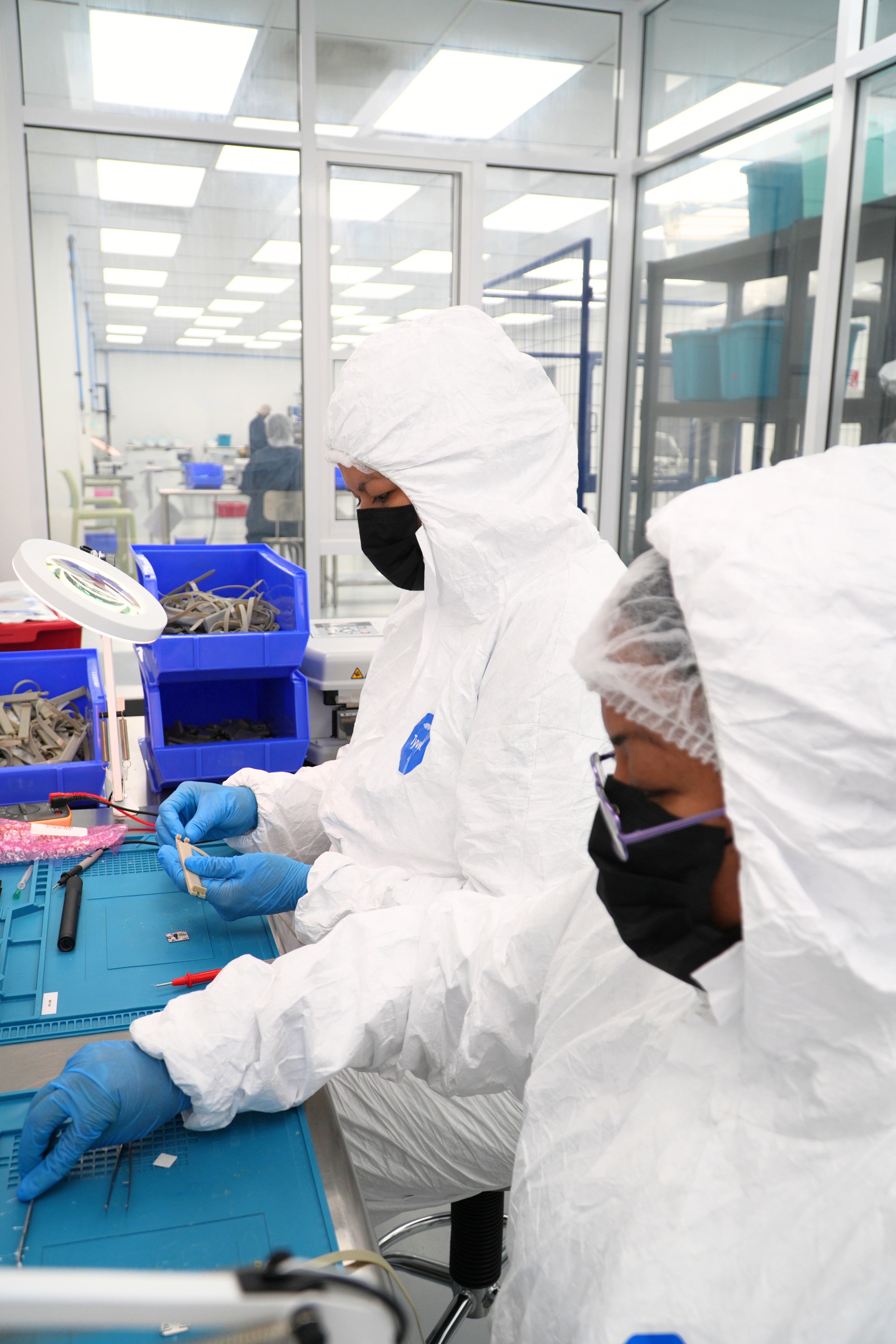
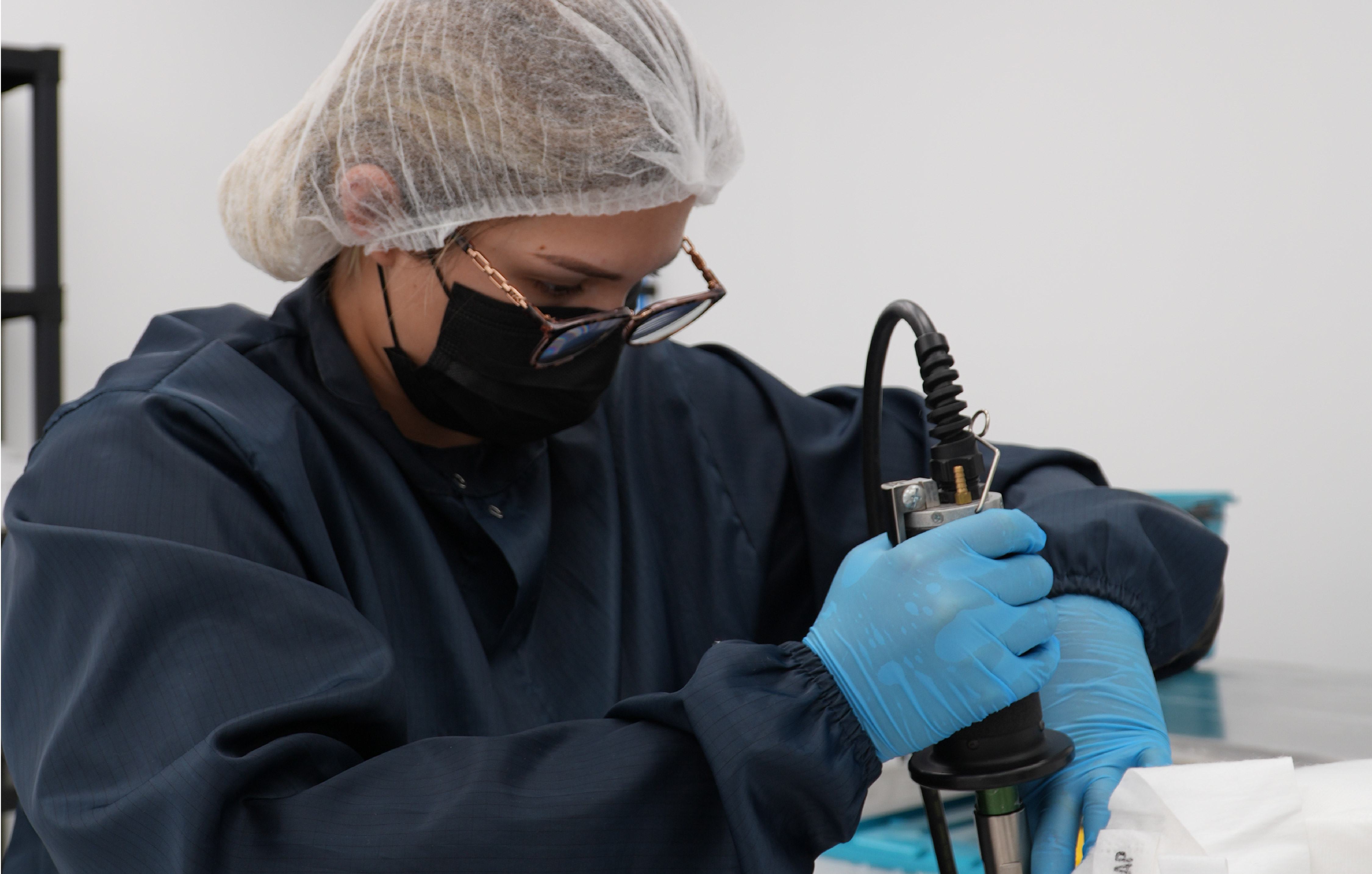
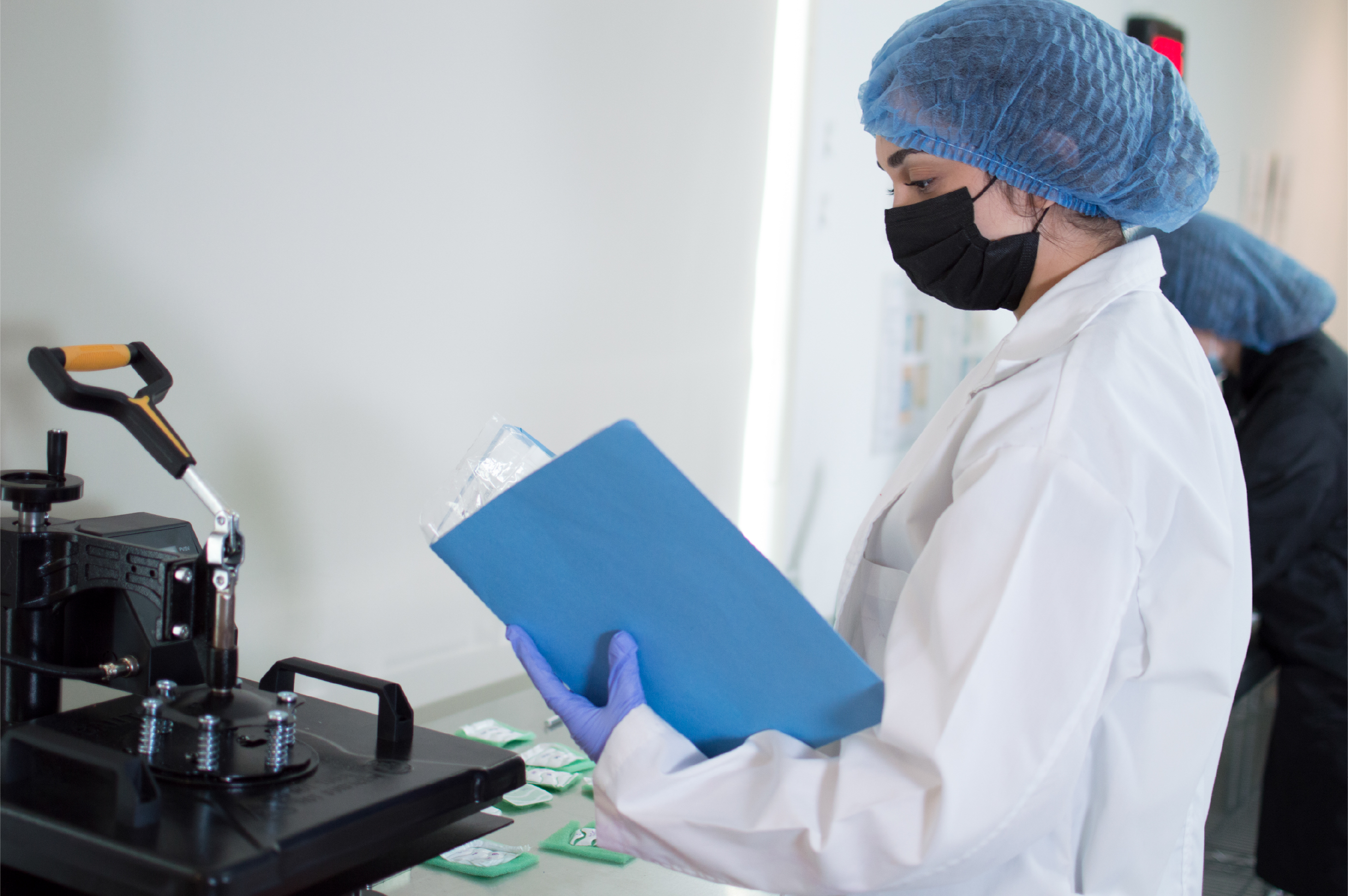
Medical device prototype and production process

Why scaling looks harder than it seems

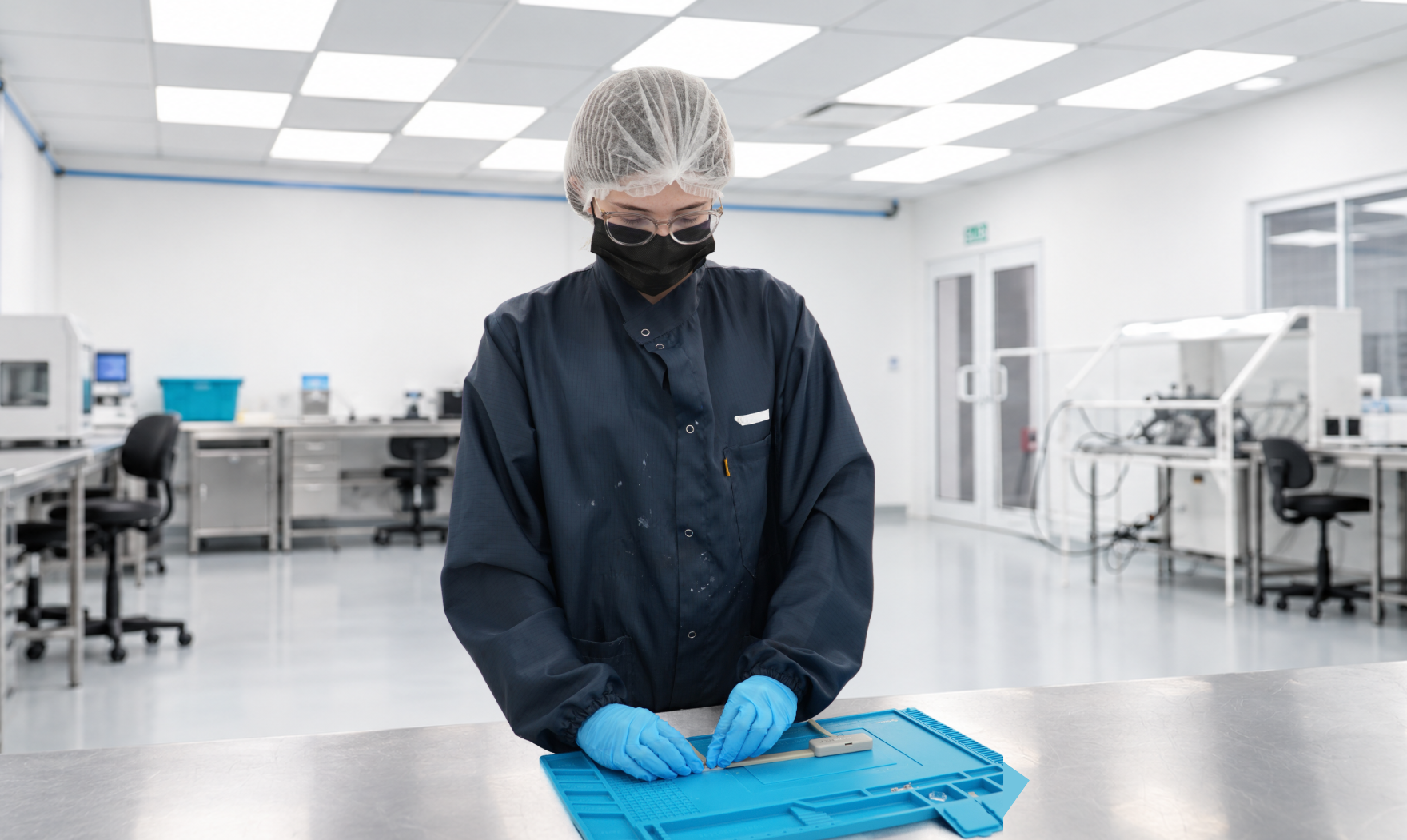
Take a MedTech startup developing a wearable diagnostic device with a small, flexible sensor assembly. During prototyping, a skilled technician bonds the sensor by hand, adjusting placement and pressure as needed. At that scale, the process appears consistent, and the device performs well in testing.

Then the problems surface.

At production speed, the same manual process begins to reveal variation that wasn't visible at prototype scale. What worked reliably in the lab no longer holds as production volume increases. The issue isn't simply the adhesive or the operator. The process itself was never designed to be controlled consistently at production scale.
By the time the team identifies the problem, the design is frozen and tooling has been committed. Fixing it now means reopening work the team thought was finished, adding unexpected cost and time to the program.


Early decisions that matter most

The decisions that determine your scale-up outcome

Design and manufacturing may feel like sequential phases. In practice, they are parallel disciplines and the earlier manufacturing thinking enters the design conversation, the less disruptive the transition to production becomes.

Here are the four areas where early design decisions have the most direct impact on whether your device scales successfully.

1

Material selection

The materials you choose in early design sessions can influence process compatibility, regulatory requirements, supplier availability, and unit cost at scale. A material that works well for a prototype because it's available off the shelf, easy to work with in small quantities, and sufficient for bench testing may not be the right choice for production and can become sources of delays, increased costs, and regulatory setbacks.

"Can this material be sourced, processed, and inspected consistently at production volumes?"
2

Tolerances & assembly architecture

Tolerance decisions made during prototyping often reflect what works on the bench, not what a production process can hold consistently across hundreds or thousands of units. Without a manufacturing review, those specifications can limit supplier options and process viability while increasing inspection costs.

"Can this assembly sequence be repeated consistently by different operators, every shift?"
3

Supplier strategy

ISO 13485 requires organizations to establish criteria for the evaluation, selection, monitoring, and re-evaluation of suppliers based on their ability to meet specified requirements.

What many teams discover too late is that this process has a timeline of its own. When supplier relationships are managed informally during development, qualification has to happen retroactively, often under pressure, and sometimes with the finding that the supplier can't meet the requirements at all.

"Is our supply chain stable enough at production volumes, with qualified backups?"
4

QMS infrastructure

A QMS is not a set of documents, it's the operating system your manufacturing process runs on. Design controls, change management, document control, and risk management should be integrated into development from the beginning, rather than assembled in the months before a regulatory submission. When those elements are built in parallel with the device, your development activities generate the records needed to support the applicable regulatory requirements.

"When they're built after, those same records have to be reconstructed, and reconstruction is slower, less complete, and harder to defend under audit."

The path forward

From design to scalable production: step by step

When manufacturing considerations are integrated from the beginning, the transition from prototype to production can be more structured and predictable. Here is what that path includes:

1
Step 1 - Design phase

DFM Review

DFM review at the design stage before materials are selected, tolerances are finalized, or tooling is committed. This allows potential manufacturing issues to be addressed while changes are still easier to make.

Before design freeze
2
Step 2 - Parallel to design

Supplier identification & qualification

In parallel with design so that by the time the design is frozen, the supply chain foundation is already in place, not just being planned.

In parallel with engineering
3
Step 3 - Pre-validation

Pilot builds

Small-batch production runs under production-representative conditions that help evaluate the process, identify bottlenecks, and generate data to support formal process validation.

Low-volume production runs
4
Step 4 — Validation

Process validation: IQ, OQ & PQ

Executed in sequence, with each phase building on the evidence generated by the previous one. This is not a regulatory formality. It provides documented evidence that the manufacturing process can consistently produce a device that meets its specifications.

IQ - Installation OQ - Operational PQ - Performance
5
Step 5 — Scale-up

Structured scale-up roadmap with decision gates

Formal checkpoints that define what must be true before advancing from one phase to the next. This helps avoid committing resources to expensive activities before the prerequisites are in place.

Formal decision checkpoints
Medical device prototype and production process

📖 Back to our example

What happens when the right decisions are made early

Now imagine that same startup making different decisions earlier in the development process.

Integrating manufacturing considerations early can help shift development from reactive fixes toward a more controlled and predictable scale-up. Here is how proactive decisions shape the journey:

❌  What went wrong
What could have been  ✓
DFM Review
Assembly

Manual process, no spec defined

The adhesive step was optimized for the bench. No defined parameters for volume, cure time, or environmental controls.

Assembly

Dispensing spec defined upfront

A DFM review led to a validated spec — parameters any operator can follow on any shift.

Supplier Strategy
Supply chain

Informal supplier relationships

Qualification was left for later — and arrived with pressure and a supplier that couldn't meet ISO 13485 at volume.

Supply chain

Qualification started in parallel

By design freeze, the supply chain was already being built. No last-minute surprises, no timeline absorbed.

Pilot Build
Pilot build

Issue found after tooling

A tolerance issue surfaced after tooling was committed — a three-month program reset.

Pilot build

Issue caught early, fixed in a week

Same issue, found before tooling. One week to fix. Zero impact on timeline.

Process Validation
Validation

Unstable process, repeated cycles

Validation struggled to achieve stable windows. The process was designed for the lab, not production.

Validation

Clean run, first time

Validation ran cleanly. The regulatory submission reflected traceable decisions from concept through first build.


How Bioana helps

Scale-up as a design discipline, not a production problem

Bioana works with MedTech teams from early concept through commercial production — integrating manufacturing considerations from the design phase so that the transition to production is structured, not reactive.

  • DFM and DFA integrated from early design stages
  • Supplier qualification run in parallel with engineering
  • Low-volume prototype production and pilot builds
  • Verification and Validation Testing (V&V)
  • FDA Clearance and Approval support
  • Contract Manufacturing at scale

Ready to build your scale-up strategy from day one?

Our team can help you identify the right decisions to make now — before they become constraints later.

Talk to a Bioana expert →
Subscribe to our newsletter
Thank you! Your submission has been received!
Oops! Something went wrong while submitting the form.

Testimonials

“Bioana team, you guys are simply amazing. Thanks so much for all your team’s hard work on this. We remain impressed beyond measure.”

Mark Lee

CEO, Ocumetics

"Our experience with Bioana had been outstanding. Their commitment, eye for detail, punctuality, proactivity and understanding manufacturing principles, workflow, quality and resourcefulness has been beyond our expectations."

Frank Harder

CRO , Bolb Inc.

Schedule a call today

Got any questions?

Schedule a Call